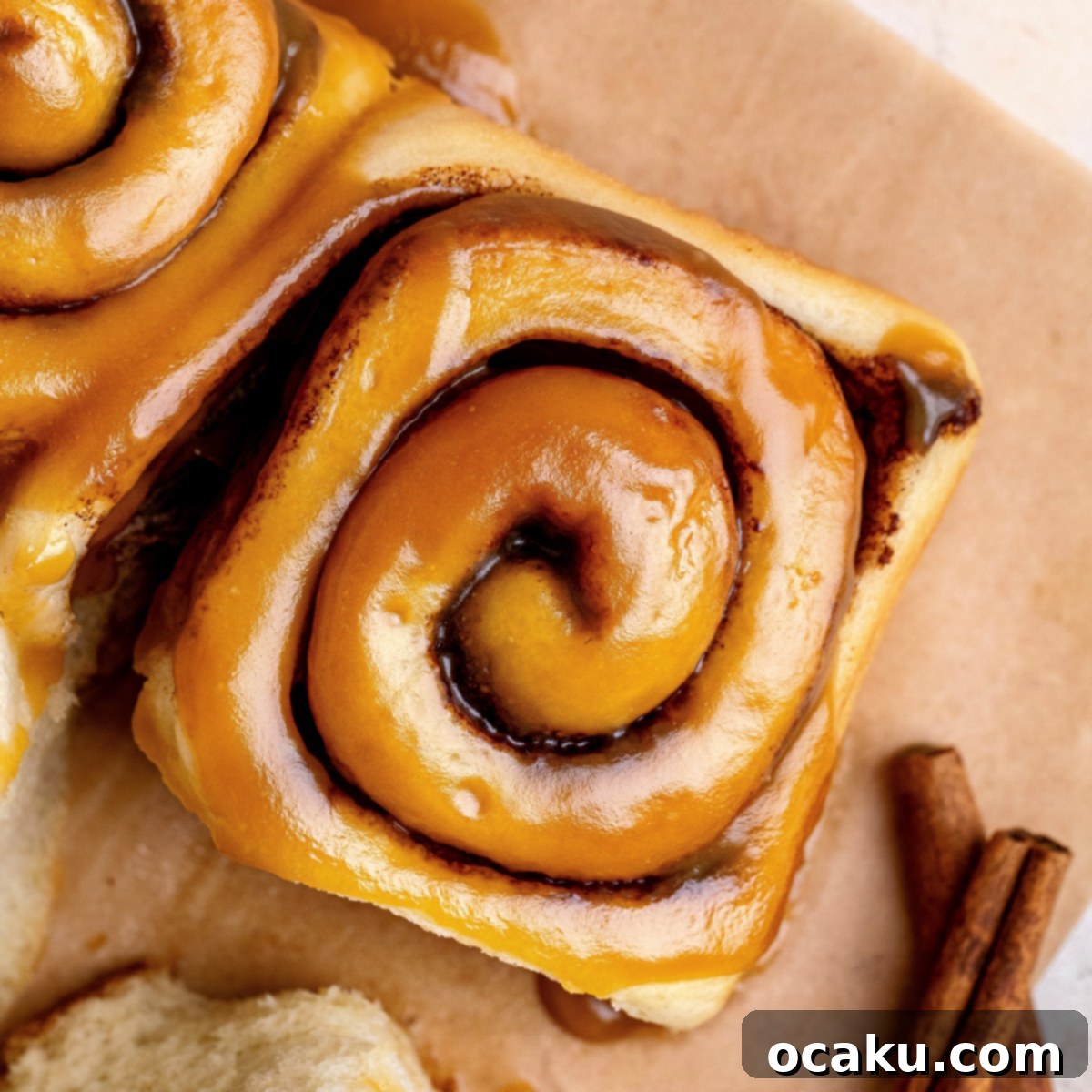
The Best Homemade Caramel Cinnamon Rolls: Perfectly Soft, Gooey, and Irresistible
Jump to Recipe
This post may contain affiliate links.
Prepare yourself for an extraordinary breakfast or dessert experience with these truly exceptional Caramel Cinnamon Rolls! Imagine a pillowy soft, enriched brioche dough, meticulously swirled with a rich, aromatic cinnamon-sugar filling. But the magic doesn’t stop there. These magnificent rolls are crowned with an utterly mouthwatering brown sugar caramel sauce, which melts into every crevice, creating a luxurious toffee flavor that’s simply irresistible. Each bite offers a symphony of warm spices, sweet caramel, and an unbelievably tender texture, elevating these rolls from a simple treat to pure bliss. They are more than just a baked good; they’re an embrace of comfort and indulgence, perfect for sharing with loved ones or savoring on a quiet morning.
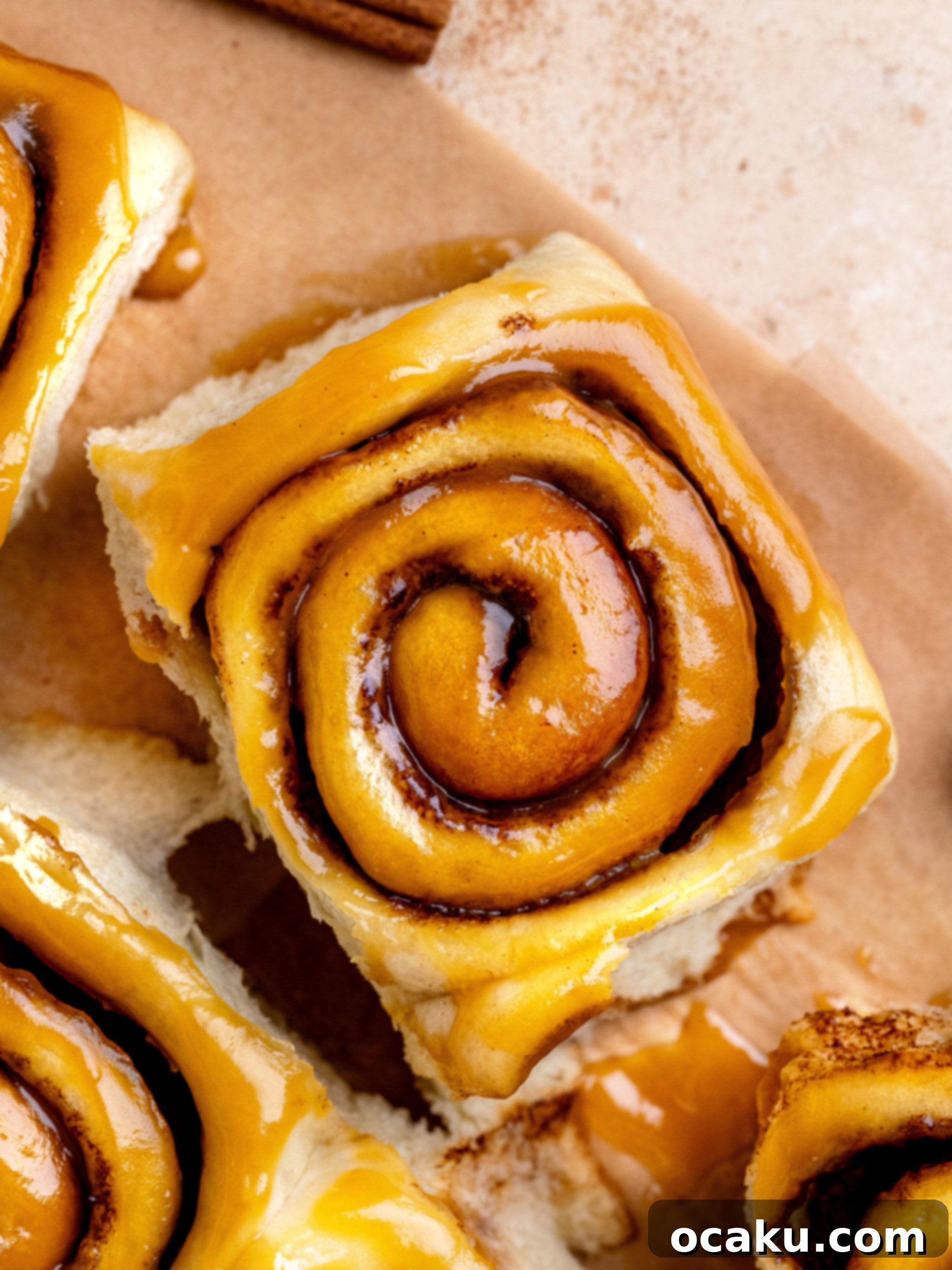
These homemade Caramel Cinnamon Rolls redefine deliciousness, making them the ultimate breakfast indulgence or a decadent dessert anytime. This recipe takes the beloved classic cinnamon roll and infuses it with an abundant layer of luscious caramel, transforming it into something truly special. You’ll achieve a soft, gooey cinnamon roll base, generously topped with a rich, homemade caramel sauce that delivers an unparalleled toffee depth. Every element of this recipe is designed to create a harmonious balance of comforting warm spices, the sticky sweetness of caramel, and a melt-in-your-mouth, pillow-soft texture. Get ready to impress your family and friends, or simply treat yourself to a bake that will leave you dreaming of its delightful flavors.
If you’re a devoted fan of cinnamon rolls and eager to explore more delightful variations, be sure to try our other fantastic recipes: the perfectly portioned Small Batch Cinnamon Rolls, the fruity and vibrant Blueberry Cinnamon Rolls, and the delightfully unique Banana Cinnamon Rolls. Each recipe offers a unique twist on this comforting classic, ensuring there’s a cinnamon roll for every mood and occasion.
WHY THIS RECIPE STANDS OUT
What makes these Caramel Cinnamon Rolls truly special and a guaranteed success? It all comes down to a few key elements working in perfect harmony:
- Brioche Dough Perfection: The foundation of these rolls is an incredibly tender and rich brioche dough. Unlike standard cinnamon roll dough, brioche is enriched with butter and eggs, creating a truly luxurious texture that’s exceptionally soft, moist, and slightly sweet. This dough yields rolls that are light and airy yet substantial enough to hold all that delicious filling and caramel without becoming dense. It’s the secret to their signature pillowy texture.
- Irresistible Cinnamon Sugar Filling: Swirled throughout the delicate dough is a generous layer of our signature cinnamon sugar butter spread. This isn’t just any filling; it’s a carefully balanced blend of fragrant cinnamon and rich brown sugar mixed with softened butter. As it bakes, it creates pockets of gooey, spiced sweetness that beautifully complements the dough and the caramel topping, ensuring every bite is bursting with classic cinnamon roll flavor.
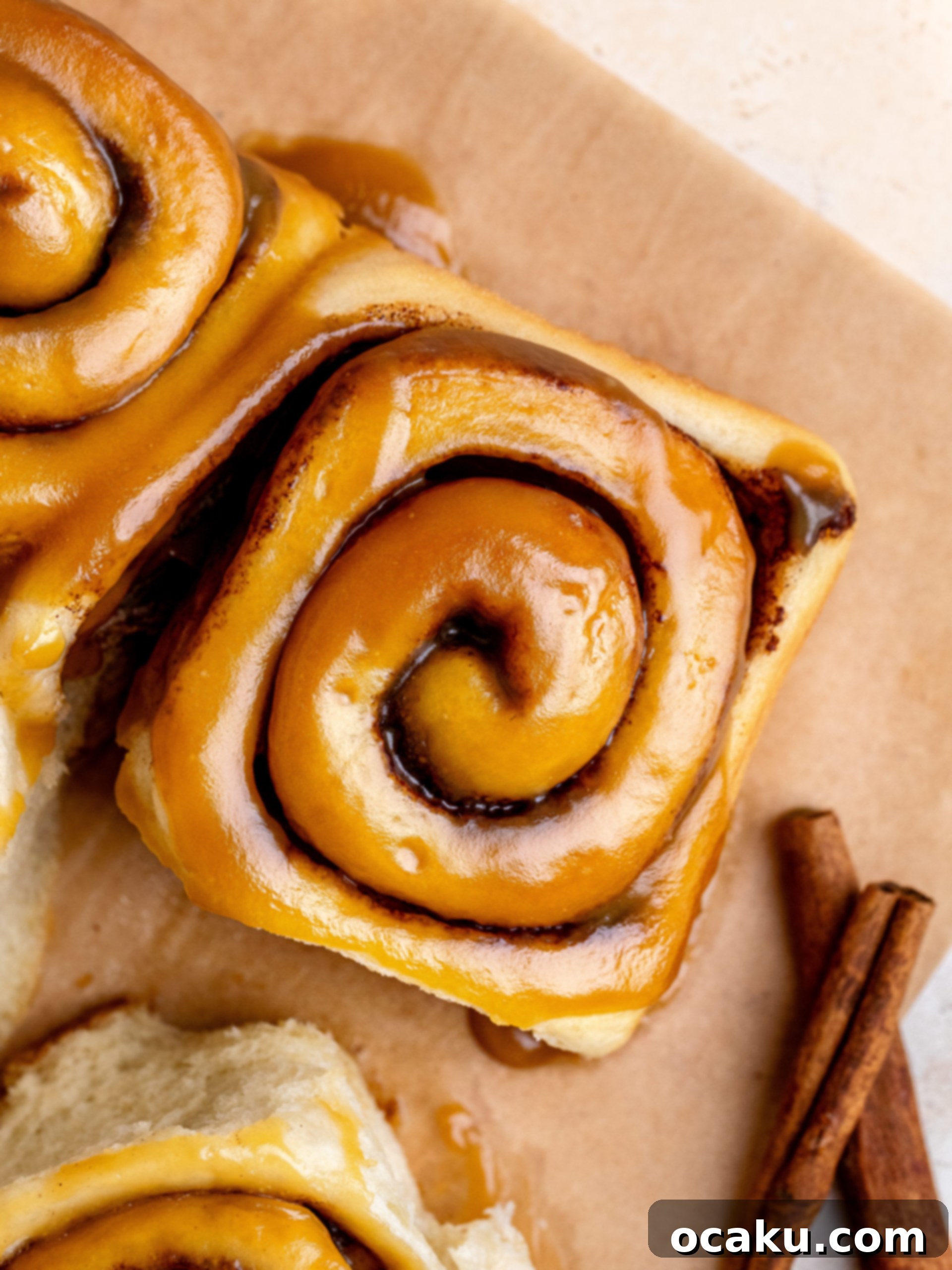
- Luxurious Brown Sugar Caramel Sauce: The crowning glory of these rolls is the homemade caramel sauce, crafted with rich brown sugar. This key ingredient imparts deep molasses notes and a complex toffee flavor that sets this caramel apart. It’s a smooth, buttery, and utterly decadent sauce that perfectly glazes the warm rolls, seeping into the layers and adding an incredible depth of flavor and a wonderfully sticky, gooey texture that makes these rolls simply divine.
ESSENTIAL INGREDIENT NOTES FOR SUCCESS
Understanding the role of each key ingredient is crucial for achieving the best results with your caramel cinnamon rolls. For a complete list of ingredients and precise measurements, please refer to the detailed recipe card located further down the page.
- Yeast: Yeast is the leavening agent that makes our brioche dough light and fluffy. While I typically use fresh yeast for its robust flavor and activity, you can absolutely substitute it with active dry yeast or instant dry yeast. If using active dry yeast, remember to “bloom” it in the warm milk first to ensure it’s active. Instant yeast can often be mixed directly with the dry ingredients. Always check the expiry date and ensure your yeast is fresh for optimal rise.
- Butter: High-quality butter is essential for both the richness of the brioche dough and the lusciousness of the cinnamon filling and caramel sauce. For the dough and filling, ensure your butter is at room temperature. Softened butter incorporates smoothly into the dough, creating a tender crumb, and mixes easily into a spreadable filling. Cold butter will result in a lumpy dough and a difficult-to-spread filling.
- Whole Milk: Whole milk contributes to the dough’s richness and tenderness. It’s crucial to heat the milk to the correct temperature, around 37ºC (98-100ºF). This temperature is warm enough to activate the yeast without killing it. If the milk is too hot, it will destroy the yeast, preventing the dough from rising. Using a kitchen thermometer is highly recommended for accuracy.
- Cinnamon: The star of our filling, cinnamon brings its signature warmth and spice. Use good quality ground cinnamon for the best flavor. It’s blended with room temperature butter and brown sugar to create a rich, aromatic paste that will be spread generously over the rolled-out dough. The quality of your cinnamon significantly impacts the overall flavor profile of your rolls.
- Brown Sugar: Both the cinnamon filling and the caramel sauce benefit immensely from the use of dark brown sugar. Its higher molasses content provides a deeper, richer flavor profile with distinct toffee notes, which is absolutely essential for that authentic caramel and spiced taste. While light brown sugar can be used in a pinch, dark brown sugar will give you the most intense and delicious results.
STEP-BY-STEP INSTRUCTIONS: CRAFTING THE PERFECT BRIOCHE DOUGH
Crafting these delectable caramel cinnamon rolls is a rewarding process, and following these step-by-step instructions will ensure a perfect bake every time. For this recipe, you’ll need a stand mixer equipped with a dough hook attachment, as it significantly aids in developing the brioche dough. Additionally, prepare a 24×34 cm (9 x 13 inch) baking tray by lining it with parchment paper, or by greasing it thoroughly with butter or non-stick cooking spray.
Find the comprehensive recipe with precise measurements and timings conveniently laid out in the recipe card located at the bottom of this page.
STEP 1: Activating the Yeast and Preparing the Base. Begin by gently heating the whole milk until it reaches a lukewarm temperature of exactly 37ºC (98-100ºF). This temperature is crucial as it’s warm enough to activate the yeast without being too hot to kill it. Crumble the fresh yeast directly into the bowl of your stand mixer, then pour in the warmed milk. Using a spatula, stir the mixture gently until the fresh yeast has completely dissolved and integrated. If you opt for dry yeast (active or instant), follow the package instructions for blooming in the warm milk, typically allowing 5-10 minutes until it becomes frothy, indicating it’s active.
STEP 2: Initial Dough Mixing. To the yeast and milk mixture, add the granulated sugar, all-purpose flour, eggs, and salt. Attach the dough hook to your stand mixer and begin mixing the ingredients on a low to medium speed. Continue mixing until all the dry flour is fully hydrated and incorporated, forming a cohesive dough. This initial stage ensures everything comes together. Once hydrated, increase the speed slightly to medium and continue mixing for another 4 minutes. This step begins to develop the gluten structure, which is vital for the brioche’s texture.
STEP 3: Incorporating Butter and Kneading for Smoothness. Keep the mixer running on medium speed and gradually add the softened butter, piece by piece. Initially, the dough may appear quite messy and sticky – this is completely normal for brioche dough, so don’t be alarmed. Continue kneading until each addition of butter is fully incorporated into the dough. Once all the butter has been added and mixed in, scrape down the sides of the bowl to ensure all ingredients are evenly distributed. Then, continue kneading the dough for an additional 8-10 minutes on medium speed. The dough should transform, becoming noticeably smoother, more elastic, and will start to pull away cleanly from the sides of the bowl, indicating proper gluten development and readiness for rising.
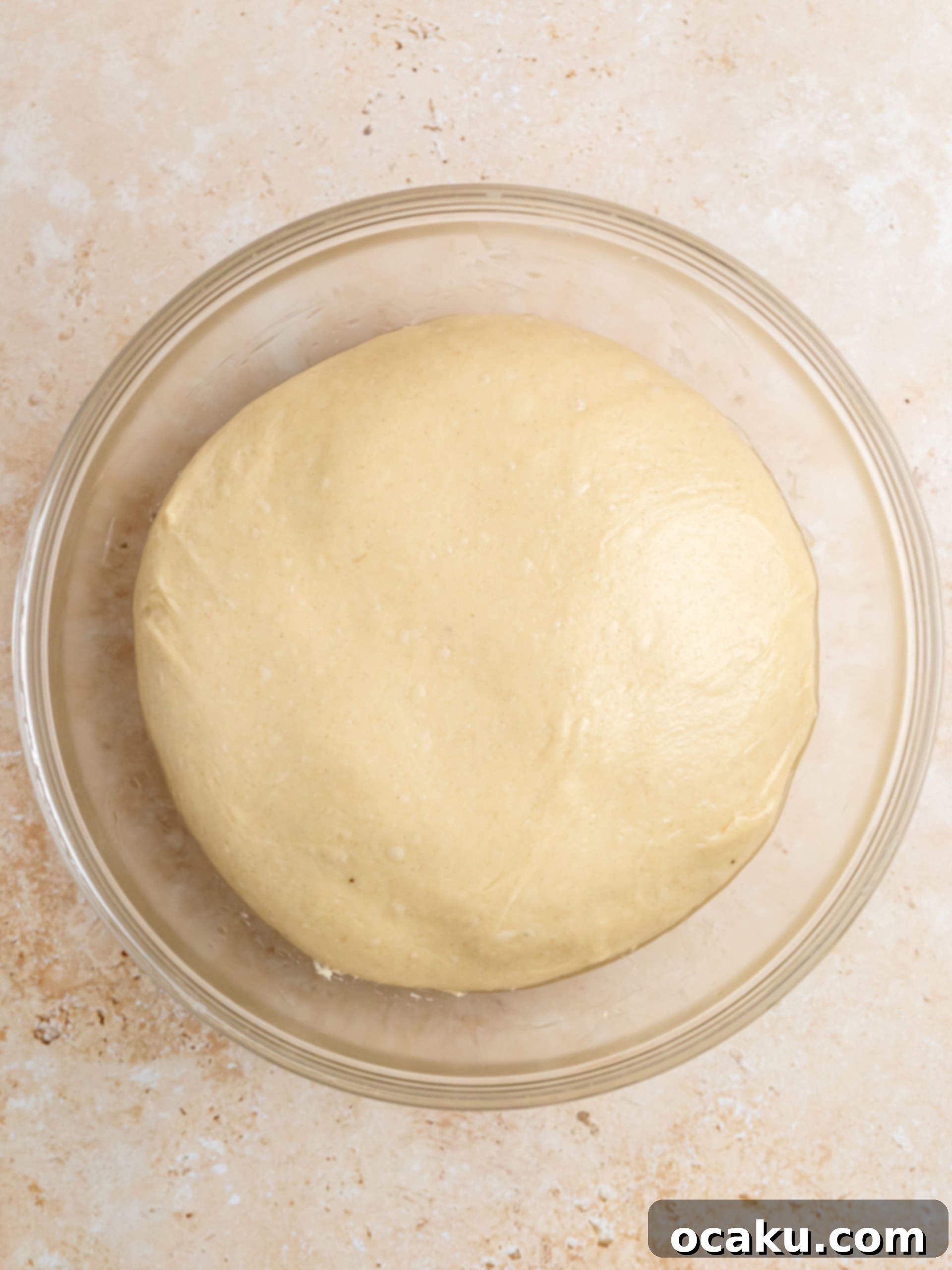
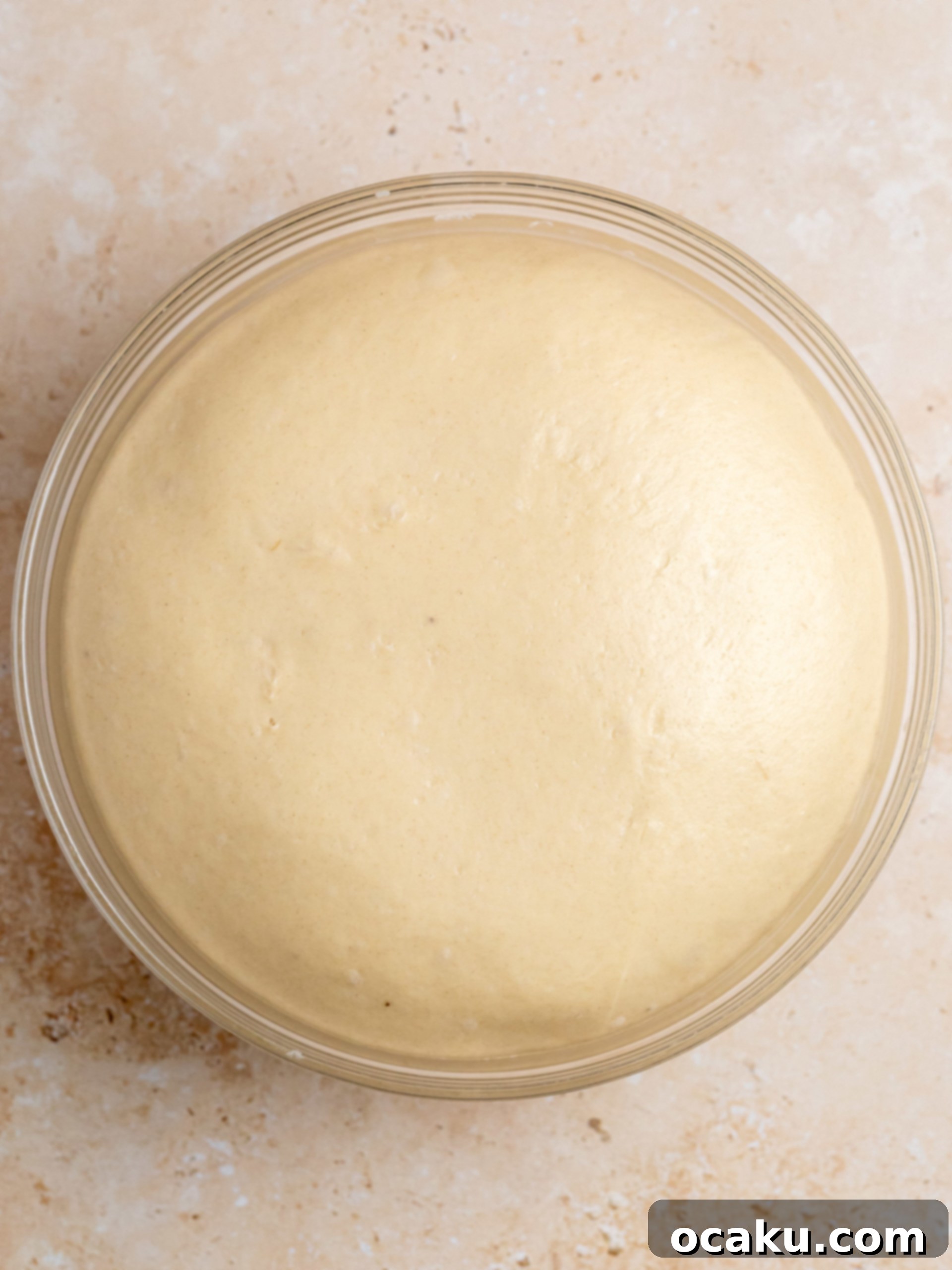
STEP 4: First Rise (Bulk Fermentation). Once the dough is smooth and elastic, transfer it to a clean, large bowl that has been lightly oiled to prevent sticking. Cover the bowl securely with plastic wrap, then drape a clean tea towel over it. Place the bowl in a warm spot in your kitchen – an ideal temperature is around 24-27ºC (75-80ºF). Alternatively, you can use the oven trick: preheat your oven to its lowest setting for a minute or two, then turn it off and place the covered dough inside (ensure the oven is not hot enough to cook the dough, just slightly warm). Allow the dough to rise for 1 hour, or until it has roughly doubled in size. For instructions on an overnight rise option, please refer to the FAQ section above for detailed guidance.
STEP-BY-STEP INSTRUCTIONS: PREPARING FILLING, CARAMEL, AND ASSEMBLY
As your dough undergoes its first rise, this is the perfect time to prepare the delectable cinnamon filling and the rich caramel sauce. Being organized and preparing these elements beforehand ensures a smooth and efficient assembly process.
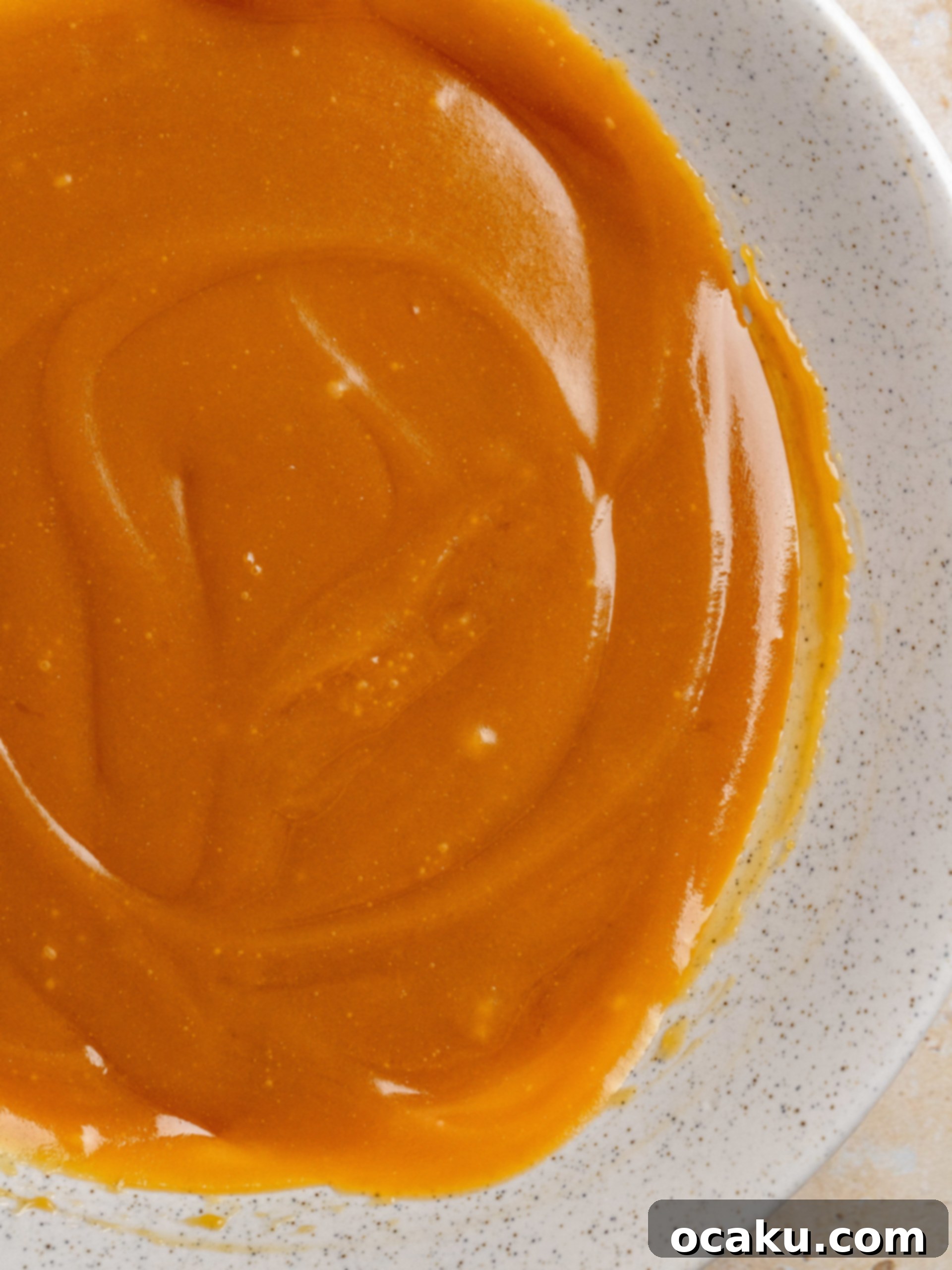
STEP 1: Crafting the Cinnamon Filling & Caramel Sauce. While the brioche dough is rising, combine all the ingredients for the cinnamon filling in a small bowl. Mix them thoroughly with a fork or spatula until they form a smooth, uniform paste. Once combined, set this aromatic filling aside at room temperature. For the rich caramel sauce, grab a small saucepan and combine the brown sugar, light corn syrup (or glucose syrup), and butter. Place the saucepan over medium-high heat and slowly melt the ingredients, stirring occasionally until they are fully combined and the mixture begins to bubble gently. Immediately remove the pan from the heat and carefully stir in the heavy cream. Continue stirring until the sauce becomes beautifully smooth and cohesive. Return the saucepan to the heat, bring the caramel to a rolling boil, and let it boil for exactly 2 minutes. This ensures the caramel reaches the right consistency and develops its deep flavor. After boiling, pour the hot caramel into a shallow bowl or heat-proof container to help it cool down more quickly. Allow it to cool to room temperature, or slightly warmer, before using. You can place it in the fridge for a faster cool-down, but ensure it doesn’t get too thick to pour.
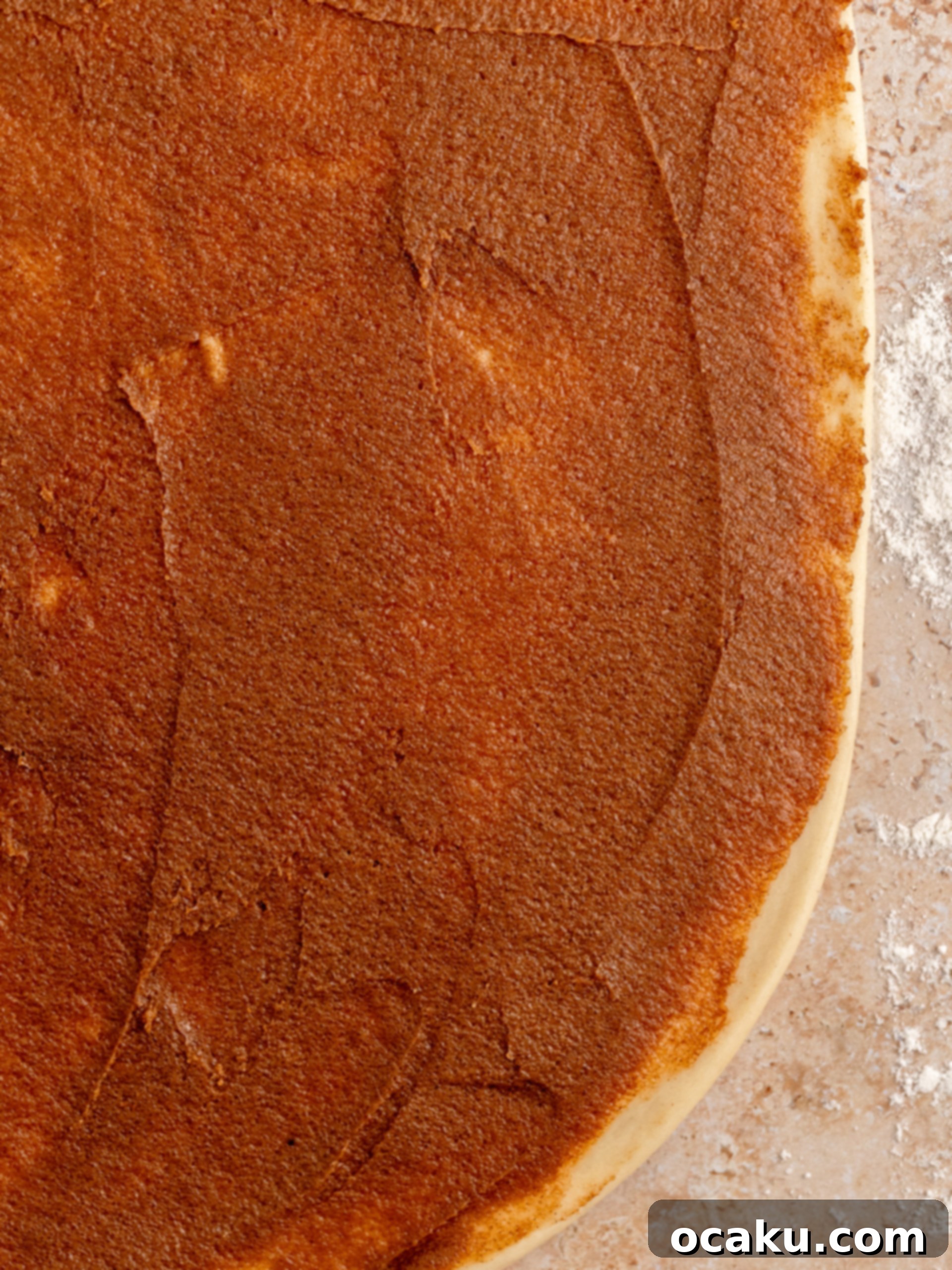
STEP 2: Shaping the Dough with Filling. After its first rise, your brioche dough should have visibly doubled in size, indicating it’s ready for the next stage. Gently punch the air out of the risen dough to deflate it, then transfer it to a lightly floured surface. Using a rolling pin, roll out the dough into a large, even square, approximately 48×33 cm (19×13 inches), aiming for a thickness of about 5 mm (about 1/5 inch). This size is crucial for yielding 12 perfectly sized rolls. Once rolled, use a spoon or an offset spatula to spread the prepared cinnamon sugar filling evenly over the entire surface of the dough, leaving a small border at one edge. With the shorter side facing you, carefully and tightly roll the dough into a snug log. A tight roll ensures beautiful spirals in your finished cinnamon rolls.
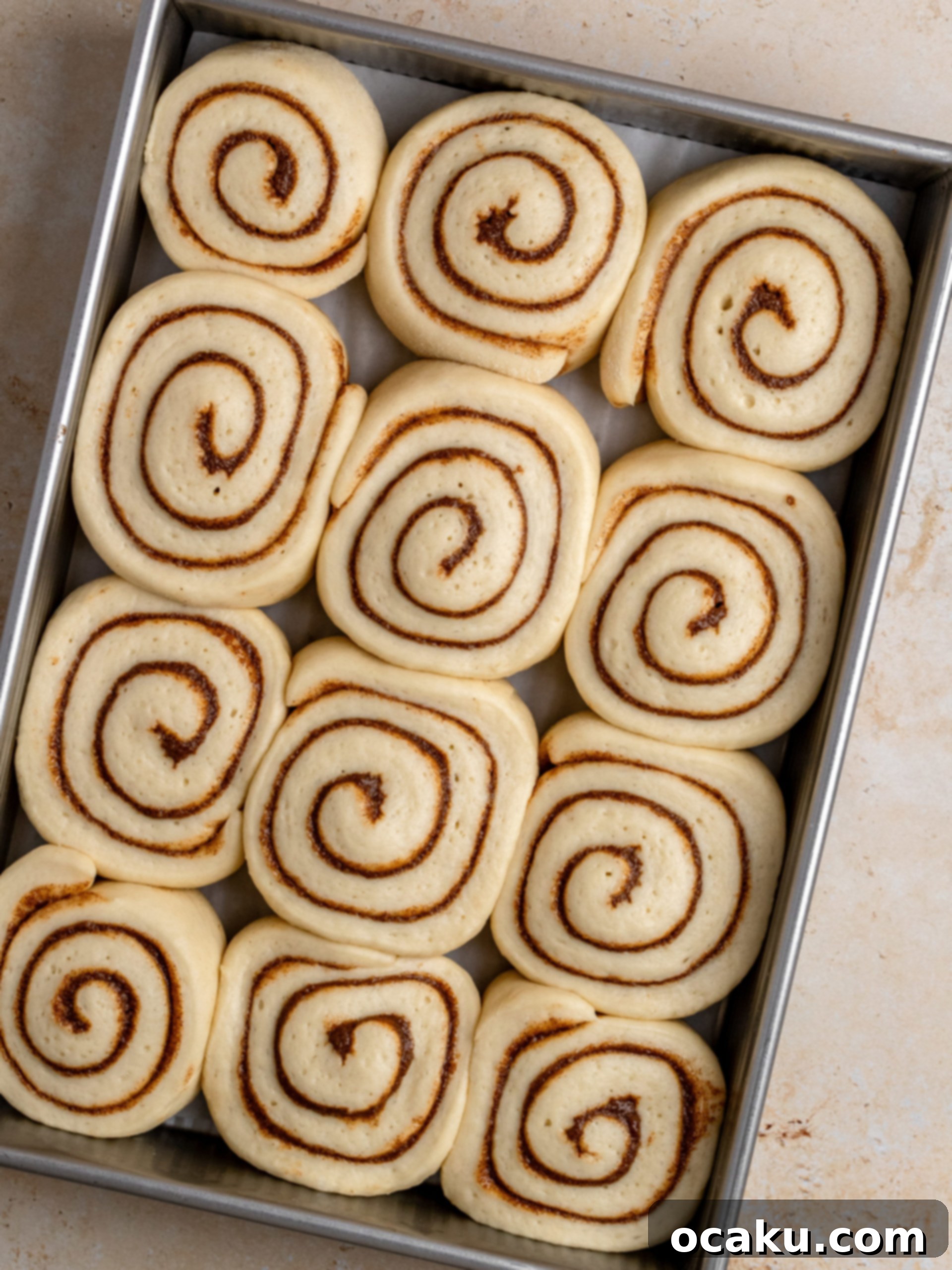
STEP 3: Cutting the Rolls. Achieving beautifully shaped cinnamon rolls requires a gentle cutting technique. For the cleanest cuts that maintain the round shape of the spirals, we recommend using a piece of unflavored dental floss or a thin, strong thread. Simply slide the floss underneath the log, bring the ends up and cross them over the top, then pull to slice through the dough. Alternatively, a sharp serrated bread knife can also be used, but exert minimal downward pressure to avoid squishing the rolls. Carefully cut the log into 12 equal rolls, ensuring uniform thickness for even baking.
STEP 4: Second Rise (Proofing). Arrange the cut cinnamon rolls in your prepared 34 x 24 cm (13 x 9 inch) baking tray, ensuring they have a little space between them but are still somewhat close, as they will expand. Cover the tray loosely with plastic wrap and then a clean tea towel to create a warm, moist environment. Let the rolls rise for a second time on your kitchen counter for approximately 45 minutes. During this second proof, the rolls should visibly plump up and become light and airy. This rise is crucial for their final soft and tender texture.
While your rolls are enjoying their second rise, preheat your oven to 190ºC (375ºF) for a conventional oven. This ensures the oven is at the correct temperature when the rolls are ready to bake, promoting an even and beautiful rise.
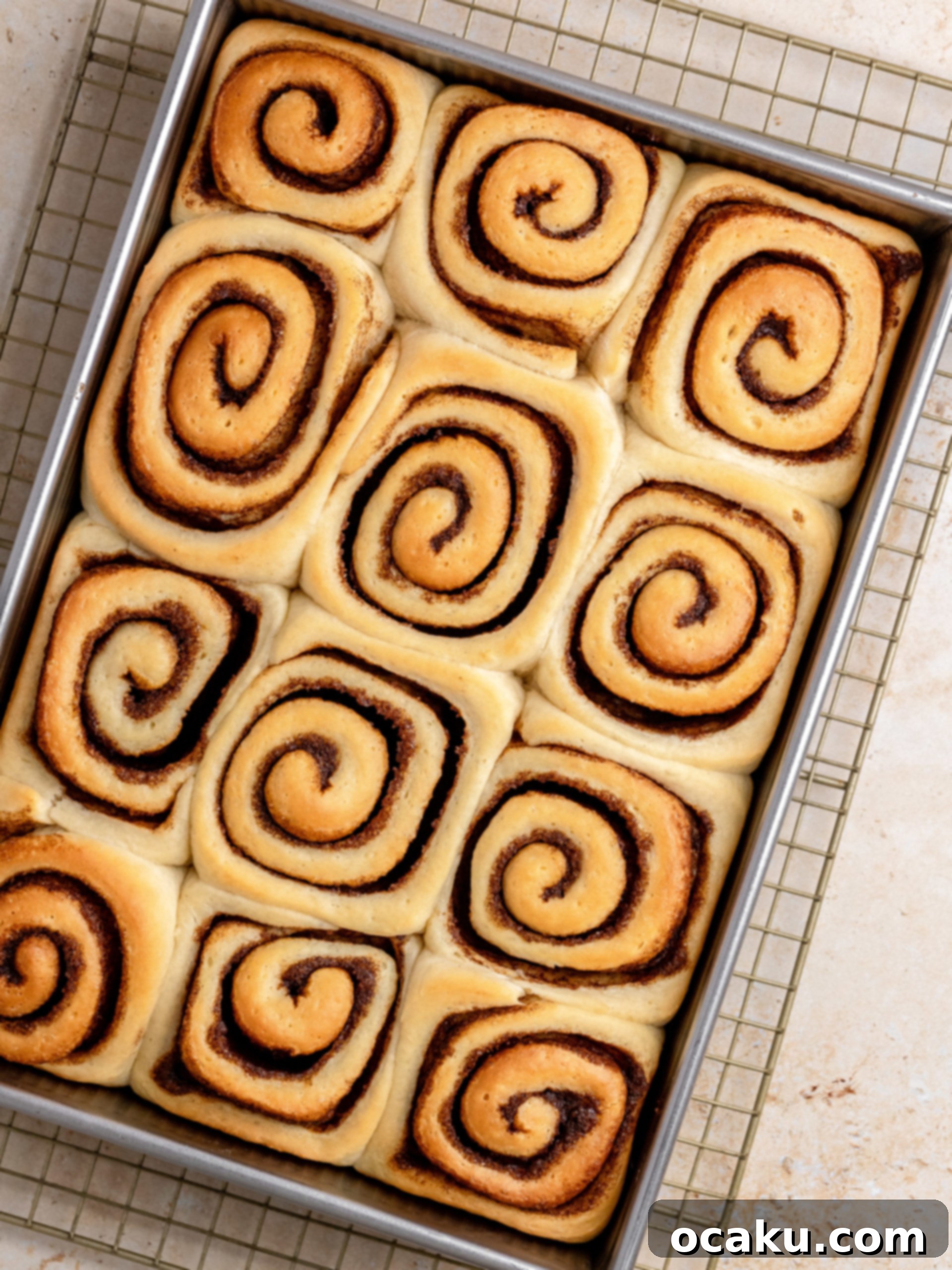
STEP 5: Baking and Caramel Drizzle. Once the cinnamon rolls have completed their second rise and are visibly puffy, place the baking tray on the second lowest rack in your preheated oven. Bake them for 28-30 minutes. Keep a close eye on them; when they begin to turn a beautiful golden brown on top, usually around the 20-25 minute mark, you can loosely cover the rolls with aluminum foil. This prevents the tops from over-browning while allowing the centers to bake through completely, ensuring a soft, moist interior. Once baked, remove the tray from the oven and let the rolls cool on a wire rack for about 10 minutes. This slight cooling period allows them to set slightly before the caramel is added. After 10 minutes, generously pour the prepared brown sugar caramel sauce evenly over all the warm cinnamon rolls. The warmth of the rolls will help the caramel seep into every delicious crevice. These caramel cinnamon rolls are best enjoyed warm, so serve them fresh from the oven, drenched in that glorious caramel!

EXPERT BAKING TIPS FOR FLAWLESS CINNAMON ROLLS
Achieving bakery-quality caramel cinnamon rolls at home is entirely possible with a few professional insights. Incorporate these expert baking tips into your process to ensure your rolls turn out perfectly soft, gooey, and absolutely delicious every single time.
- Embrace the Kitchen Scale: For all my recipes, and especially for baking, I cannot stress enough the importance of using a kitchen scale. Measuring ingredients by weight (grams, in my case) is the most accurate and consistent method. Volume measurements (cups) can vary wildly based on how ingredients are packed, leading to inconsistent results. A kitchen scale ensures you use the exact amount of flour, sugar, and butter specified, which is critical for the delicate balance in brioche dough. Precision is key to baking success!
- Avoid Overmixing the Dough: While kneading is essential to develop gluten, overmixing the dough, especially after adding flour, can lead to tough, dry rolls. Mix only until the ingredients are just combined and the gluten has developed enough for elasticity. After the main mixing with the stand mixer, I always recommend a final, gentle fold with a spatula. This ensures that any pockets of unmixed ingredients at the very bottom of the bowl are fully incorporated without overworking the dough.
- Light vs. Dark Baking Pans: The type of baking pan you use significantly impacts the final texture and color of your rolls. For the softest, most evenly baked results, I highly recommend using a light-colored aluminum baking pan. Aluminum pans absorb less heat than dark-colored pans, leading to a more gentle and even bake. This results in a softer crust and prevents the rolls from drying out. Darker pans, while convenient, tend to attract more heat, which can cause the bottom and edges of your rolls to brown too quickly or become overly crispy, potentially leading to a drier overall texture. Always grease your pan well and line with parchment paper for easy removal.
- Don’t Rush the Rise: Patience is a virtue in baking, particularly when it comes to yeast doughs. Allow your dough to complete both its first (bulk fermentation) and second (proofing) rises fully. A properly risen dough will be light, airy, and visibly expanded. Rushing this process will result in dense, heavy rolls. Find a warm, draft-free spot, and let nature do its work.
- Check Oven Temperature: Ovens can vary widely in their actual temperature compared to what the dial indicates. Using an oven thermometer can help you ensure your oven is consistently at the correct temperature, preventing under or over-baking. This is especially important for delicate baked goods like cinnamon rolls.

FREQUENTLY ASKED QUESTIONS (FAQ)
The baking time for your cinnamon rolls can vary slightly depending on the material of your baking pan. If you’re using a metal pan (typically aluminum or stainless steel), they generally require 28-30 minutes. For ceramic or glass pans, which retain heat differently, they might need a little longer, typically 30-35 minutes. Regardless of the pan type, look for visual cues: the rolls should be beautifully golden brown on top, and when gently pressed, the center should feel set, not overly soft or liquid. An internal temperature of about 90-93°C (195-200°F) in the center of a roll is also a good indicator of doneness.
Absolutely! Preparing the dough the day before is a fantastic way to enjoy fresh cinnamon rolls in the morning. For an overnight rise, after completing the kneading steps, place the dough in a lightly oiled bowl, cover it tightly with plastic wrap, and refrigerate it. Let the dough undergo its first rise slowly in the fridge for no more than 16 hours. The cold temperature will significantly slow down the yeast activity. The next morning, remove the dough from the fridge and allow it to come to room temperature for about 30-60 minutes before proceeding with the remaining shaping and second rise steps outlined in the recipe.
Yes, you can certainly prepare each component of these caramel cinnamon rolls the day before, leaving only the assembly and baking for the next morning. Make the brioche dough and let it complete its first rise overnight in the refrigerator as described in the FAQ above. You can also prepare the cinnamon sugar filling and the caramel sauce in advance. Store the cinnamon filling in an airtight container at room temperature. The caramel sauce should be stored in an airtight container in the refrigerator; it will thicken when chilled. The next morning, simply allow the dough to warm slightly, gently reheat the caramel sauce over low heat until pourable, assemble the rolls, let them do their second rise, and then bake for a fresh, warm breakfast.
If light corn syrup isn’t available, you have a couple of excellent substitutes. You can replace it 1:1 with agave nectar. Agave will provide a similar liquid sugar function, helping to prevent crystallization in the caramel. Alternatively, while not a perfect substitute for texture, you can use an equal amount of granulated sugar. However, be aware that using only granulated sugar might make the caramel slightly more prone to crystallizing, so be sure to stir carefully and avoid scraping the sides of the pan once it boils.
Absolutely, adding pecans is a fantastic idea that complements the caramel and cinnamon flavors beautifully! For an enhanced nutty flavor, I recommend toasting your pecans lightly before adding them. Once toasted, you can either chop them and sprinkle them into the cinnamon filling before rolling the dough, or, for an even more decadent touch, fold them directly into the warm caramel sauce just before pouring it over the baked cinnamon rolls. This creates a wonderful texture contrast and an extra layer of flavor that nut lovers will adore.
STORAGE AND REHEATING TIPS
To maintain the delicious freshness and gooey texture of your caramel cinnamon rolls, proper storage is key. Once completely cooled, store the rolls in the fridge covered tightly with plastic cling film or in an airtight container. This helps prevent them from drying out. For the best flavor and texture, they are ideally enjoyed within 2-3 days of baking. To bring them back to their pillowy soft, warm, and gooey glory, simply reheat individual rolls in the microwave for about 30 seconds to 1 minute, or until warmed through. Alternatively, you can gently warm them in a preheated oven (around 150°C / 300°F) for 5-10 minutes, covered with foil, until soft and warm.
For longer storage, un-iced cinnamon rolls (without the caramel) can be frozen for up to 2-3 months. Once baked and cooled, wrap individual rolls tightly in plastic wrap, then place them in a freezer-safe bag. Thaw overnight in the refrigerator before reheating. If freezing rolls with caramel, ensure the caramel is completely set before wrapping tightly. When reheating frozen rolls, it’s best to allow them to thaw completely before warming to prevent them from becoming tough.

Other Cinnamon Rolls Recipes To Try
- Giant Cinnamon Rolls (Soft, Gooey Tangzhong Milk Bread Rolls)
- 25 Best Summer Dessert Ideas
- 20 Best Easter Dessert Ideas
- Thanksgiving Dessert Recipes
If you’ve loved baking and devouring these sensational Caramel Cinnamon Rolls, please make sure to leave a STAR REVIEW on the recipe card below! Your feedback means the world. Don’t forget to share your beautiful creations by tagging me on Instagram @juliemarieeats. For more culinary inspiration and delicious baking ideas, be sure to follow me on Pinterest!
Caramel Cinnamon Rolls
Pin Recipe
Equipment
- 33 x 23 cm (13 x 9 inch) baking pan
- Stand Mixer with Dough Hook
- Rolling Pin
- Kitchen Scale (recommended)
- Kitchen Thermometer (for milk)
Ingredients
BRIOCHE DOUGH
- 225 g whole milk (lukewarm, 37ºC / 98-100ºF)
- 30 g fresh yeast or 10 g active dry yeast or instant yeast
- 50 g granulated sugar
- 550 g all-purpose flour
- 2 large eggs
- 1 teaspoon fine sea salt
- 100 g unsalted butter (softened, room temperature, cut into cubes)
CINNAMON FILLING
- 110 g unsalted butter (softened, room temperature)
- 100 g dark brown sugar (packed)
- 1 ½ tablespoon ground cinnamon
CARAMEL SAUCE
- 70 g dark brown sugar (packed)
- 50 g light corn syrup or glucose syrup
- 40 g unsalted butter
- 200 g heavy cream
Instructions
BRIOCHE DOUGH PREPARATION
- Gently heat the whole milk until it is lukewarm (approximately 37ºC or 98-100ºF). Pour the warmed milk into the bowl of a stand mixer. Crumble the fresh yeast directly into the milk and stir with a spatula until the yeast has completely dissolved. If using active dry yeast, allow it to bloom for 5-10 minutes until frothy, as per package instructions. For instant yeast, you can proceed to the next step.225 g whole milk, 30 g fresh yeast
- Add the granulated sugar, all-purpose flour, large eggs, and salt to the stand mixer bowl. Attach the dough hook and mix on low-medium speed until all ingredients are well hydrated and no dry flour remains. Continue mixing on medium speed for an additional 4 minutes to begin developing the gluten.50 g granulated sugar, 550 g all-purpose flour, 2 eggs, 1 teaspoon salt
- Maintain medium speed and gradually add the softened butter, one piece at a time, ensuring each addition is fully incorporated before adding the next. The dough may look messy and sticky at first, which is normal for brioche. Once all butter is incorporated, scrape down the sides of the bowl and continue kneading the dough for 8-10 minutes until it becomes smooth, elastic, and pulls away cleanly from the sides of the bowl.100 g butter
- Transfer the kneaded dough to a clean, lightly oiled large bowl. Cover the bowl tightly with plastic wrap and then with a tea towel. Place it in a warm, draft-free area of your kitchen (around 24-27ºC / 75-80ºF) and let it rise for 1 hour, or until it has roughly doubled in size. (Refer to the FAQ section above for guidance on an overnight rise).
CARAMEL SAUCE PREPARATION
- In a small saucepan, combine the dark brown sugar, light corn syrup (or glucose syrup), and butter. Place over medium-high heat and slowly melt the ingredients, stirring occasionally, until the mixture is fully melted, smooth, and gently bubbling. Remove the saucepan from the heat and carefully stir in the heavy cream until smooth.70 g brown sugar, 50 g light corn syrup, 40 g butter, 200 g heavy cream
- Return the saucepan to medium-high heat. Bring the caramel mixture to a rolling boil and let it boil for exactly 2 minutes without stirring. This step is crucial for achieving the correct consistency.
- Pour the hot caramel into a shallow, heat-proof bowl to help it cool faster. Allow it to cool to room temperature, or slightly warmer, before using. You can place it in the fridge for a quicker cool down, but ensure it doesn’t become too thick.
CINNAMON FILLING PREPARATION
- In a separate small bowl, combine the softened butter, dark brown sugar, and ground cinnamon. Mix thoroughly with a fork or spatula until a uniform, spreadable paste is formed. Set aside at room temperature until ready to use.110 g butter, 100 g brown sugar, 1 ½ tablespoon cinnamon
ASSEMBLING AND BAKING
- After the first rise, gently punch down the dough to release the air. Transfer the dough to a lightly floured surface and roll it out using a rolling pin into a large square, approximately 48×33 cm (19×13 inches), about 5 mm (1/5 inch) thick. Spread the prepared cinnamon sugar filling evenly over the entire surface of the dough, leaving a small border (about 1 cm) on one of the shorter sides. Tightly roll the dough into a log, starting from the opposite short side towards the border.
- Using unflavored dental floss or a sharp serrated knife, cut the dough log into 12 equal rolls. For a clean cut, slide the floss underneath the log, cross the ends over the top, and pull to slice. Arrange the cut rolls in your 33 x 23 cm (13 x 9 inch) baking tray, which should be lined with parchment paper. Leave a small space between each roll to allow for expansion.
- Cover the baking tray loosely with plastic wrap and then a tea towel. Let the cinnamon rolls rise for a second time on the kitchen counter for 45 minutes, or until visibly puffy and expanded. This second rise is crucial for their light and tender texture.
- Meanwhile, preheat your oven to 190ºC (375ºF) for a conventional oven. Ensure the oven is fully preheated before placing the rolls inside.
- After the second rise, place the baking tray on the second lowest rack in the preheated oven. Bake for 28-30 minutes. If the tops start to brown too quickly (usually after 20-25 minutes), loosely cover the cinnamon rolls with aluminum foil to prevent excessive browning while allowing them to cook through. They should be golden brown and feel set in the center.
- Once baked, remove the rolls from the oven and let them cool on a wire rack for 10 minutes directly in the pan. This allows them to set slightly. After 10 minutes, generously pour the room temperature caramel sauce over all the warm cinnamon rolls, allowing it to seep into the layers. Serve immediately and enjoy them warm for the ultimate experience!